
|
Salvador ToursSalvador is the capital of the state of Bahia. Bahia's strong sense of cultural identity, with African, Native Brazilian and European influences, has made Bahia a mystical land with a rich folk culture. We can offer things like historic and panoramic city tours, Afro-Brazilian cultural tours capoeira, percussion, samba and Bahia cuisine classes, extensions to Praia do Forte, Morro da Sao Paulo, Itacare and other exotic beach locations. Also to Chapada Diamantina
|
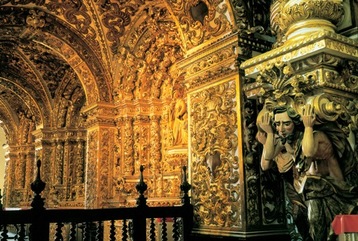
Sample Salvador itineraryDay 1 - arrive Salvador, where you will be met and transferred to your hotel. Then enjoy a historical city tour. We start in the modern suburb of Barra at the mouth of the Bay with its famous lighthouse and make our way slowly by car or coach to the old historical section of town, the Pelourinho area with the largest and the best preserved complex colonial architecture in the Americas. We stroll through the narrow, bustling streets lined with buildings in pastel shades of an age gone by. We visit the church of S. Francisco (U$ 1.00 entrance fee not included) with its exuberant gold-leafed Baroque interior and the Pelourinho Square, the heart of the old town. This tour shows two distinct aspects of Salvador, the new and the old, concentrating on the early expansion of the city. It ends at Mercado Modelo, a thriving market of local artifacts. This is Salvador, a perfect example of a harmonious relationship between old and new, preserving the architecture and innovating with new urban planning solutions. The Pelourinho or Pelô, as the colonial city is affectionately known, is one of the most important collections of Baroque colonial architecture in Latin America, appointed in the UNESCO's World Heritage site.
Day 2 - breakfast, then Panoramic "lower city" tour. The lower city tour takes us to the quiet waters of the Itapagipe Peninsula where the first holiday residences were built. Now, a peaceful family district, life moves at a slower pace than the bustling upper city. Fishermen fish from dug out canoes, locals collect shellfish at low tide, schooners are at anchor, all protected by the famous Bonfim church, one of the most important churches of pilgrimage in Brazil. We continue to Monserrat district with its panoramic view of the city. (note that Bonfim church is closed on Mondays)
Day 3 - breakfast, then you will be transferred to the airport or extend your time 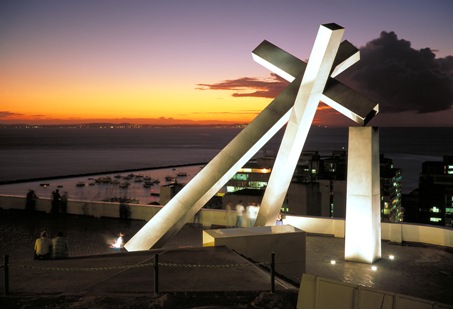
Sample 2024 Price per person in US$:
(check with us for current price because rates can change due to the exchange rate and holidays, etc.)
These prices include roundtrip airport transfers with English-speaking guide, standard rooms in hotels with breakfasts, private tours . We can price for upgraded rooms. Prices change for major holidays and special occasions. The hotels have many rate categories and we used prices valid for much of the year in order to simplify the chart. So please just use these prices as examples until we confirm exact price.
Here are some other tour options
that can be added or substituted: Full Day Schooner Cruise Board on a schooner for a cruise in the All Saints Bay from where one can have an unforgettable view of the old part of the city of Salvador. Cruising across the bay, we'll pass by several islands, as the famous Frade island, surrounded by groves of palm trees, warm, crystal clear and calm waters. Views of Loreto, Tobar, da Viração, Costa de Fora e Ponta de Nossa Senhora and Paramana, the most popular among these beaches, before getting to Itaparica, the biggest island of All Saints Bay, with 240 km². The word Itaparica means "around the rocks" and the name comes from the barrier of corals laying 1km from the beaches towards the Atlantic ocean, creating a big natural swimming pool, with transparent warm blue water, excellent for swimming or diving. We will have lunch here. Bahia by Night Show and Dinner - In the evening enjoy a marvelous evening of folk dancing and a traditional Bahian dinner - Passengers will be enchanted by the brilliant bahian night life, where music and folkloric manifest in their full magic spirit. We invite you for a regional dinner, including a variety of delicious typical plates and deserts. During dinner, an amazing folkloric show with be presented, featuring the famous "Capoeira" from African salves, the "Maculelê", an impressive dance performed with pieces of wood and big knifes, and the rhythms of the "Candomblé", the old afro-brazilian dances related to religious divinities, specially cultivated in Bahia. Miguel Santana is the name of the Theater where the Bahia Afro Bale performs for the private tour. It is a professional ballet, they've performed all over the world, and it's the only ballet group of its kind in Brazil, and I guess, in the world.... The group show happens in the restaurant called "Coliseu". There is a stage in the middle of the dining area, where the dance group performs. They also do a very good job, improving it every year...last time I saw it, a few months ago, I was very well impressed. So, they do not have the status of the Ballet...but they do a great job....our local operator Whale Watching at Praia do Forte - The Humpbacks make an extensive migration from the cold waters around the South Pole until the warm tropical waters in Brazil, where they stay from July to November in order to breed. The Brazilian Humpback Whale Project was created in 1988, aimed to research and to preserve this particular species in Brazil. More than 6000 whales are estimated to occur in Brazilian waters and more than 2000 of these have been photo-identified. Important information has been gathered on the behavior, habitats and conservation needs of the species. 
Marau
Itacare - Vila do Dengo
|
Sample Bahia Self-driveDay 1: Salvador
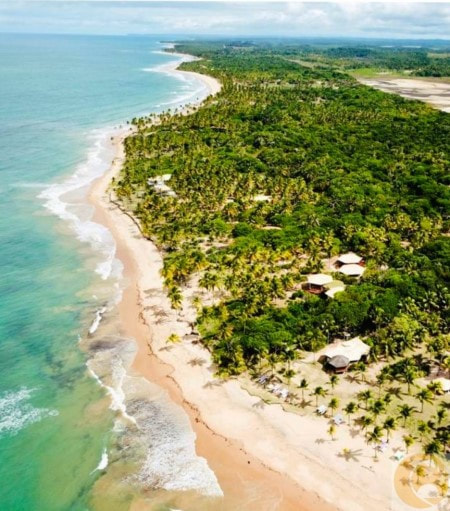
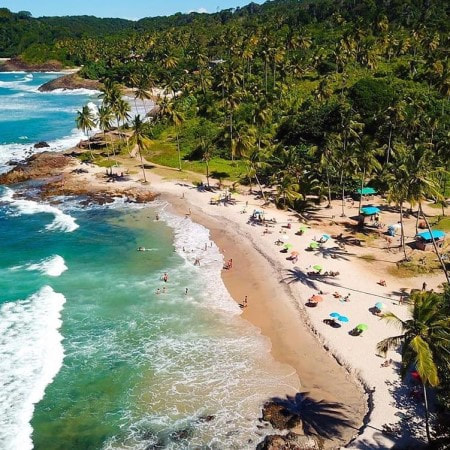
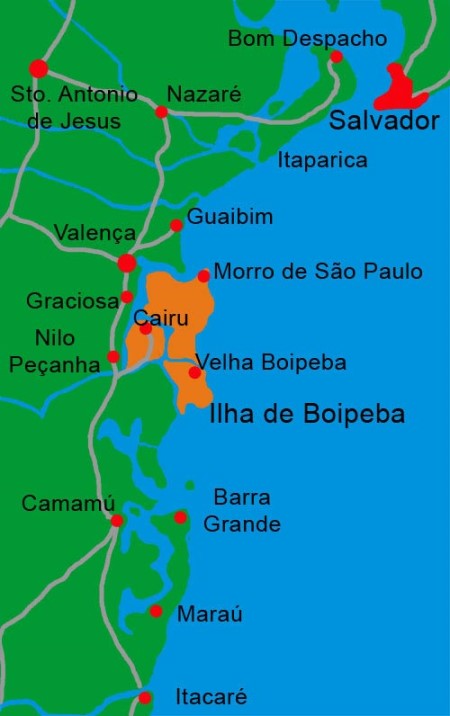
Arrival at Salvador and transfer with guide to the Catussaba Resort. Overnight at the Catussaba Resort. Included: English bilingual guide , Room , Arrival transfer Day 2: Ilhéus Transfer from Salvador to Ilheus with an english speaking guide. The drive takes around 7 hours / 309km. After arrival proceed to the rental car company (address will be informed at the time of booking). Getting the car booked for you, the guide from Fazenda Vista Mar will be waiting for you to accompany you during the way to the farm. On the way you can stop at “Casa das Empadas“ (50min / 39km), a small restaurant where you can enjoy a delicious snack “Empada”. You will be greeted at the farm with a refreshing coconut water. After a little free time for relaxing, you will make the first walk around the Fazenda, visiting the fruit plantations. With a bit of luck you can enjoy a great sunset during the Happy Hour drink. Dinner will be served on the round table with the guides. Overnight at Fazenda Vista Mar. Included: Car Rental , English bilingual guide, Dinner, Room , Transport Day 3: Ilhéus You will start the day with a great breakfast in the garden. After breakfast you will make an unforgettable tour around the farm. You will walk through an organic cocoa plantation and learn everything about the history of cocoa, harvesting, drying and fermentation. You can also taste the cacao fruit! Following, you will make your own chocolate and at the end of the morning, you will plant your own Cacao Tree. Lunch is a picnic under the trees. In the afternoon you can relax, make an optional tour (bike tour, Project Floresta Viva ). Dinner will be served at the Fazenda. Overnight at Fazenda Vista Mar. Included: Car Rental , Full Board , Room Day 4: Ilhéus- Itacaré After breakfast you will drive to Itacaré ( 60min/45km ) It is a small town located on the south coast of Bahia state, just 150 miles from Salvador. At first encounter, it may seem like many other small coastal towns but dig deeper and you'll find a multi-layered landscape of everything that makes this world a beautiful place. White sandy beaches, pure unadulterated nature, gorgeous people, delectable food, tranquility, and most importantly, sunshine and amazing waves. Whether body surfing in the warm ocean water, riding a barrel, or practising yoga on the beach, Itacaré attracts adventure seekers and eco-enthusiasts from all over the world. Overnight at Pousada Vila do Dengo. Included: Car Rental , Room & Breakfast Days 5-6: Free day at Icataré. During this day you can make optional tours such as a Rafting tour in Taboquinhas (1 hour by car ), hire a local guide for a trekking to the small famous beaches, take surf lessons or just have some relaxing days at the beach. Overnight at the Pousada Vila do Dengo. Included: Car Rental , Room & Breakfast Day 7: Itacaré- Maraú Breakfast at your hotel and departure to Maraú (1h15min / 52km) The Maraú Peninsula is one of the most reserved areas of the state. This ecological sanctuary shows a variety of coastal ecosystems, natural pools, estuaries and the vast Atlantic Ocean with beautiful beaches, reefs, mangroves, natural fields and forest types of the Atlantic Forest with a varied fauna and flora. Besides the coast the peninsula also offers other types of attractions geared towards ecotourism such as waterfalls and ecological trails. It is approximately 40 kilometers of practically deserted beaches. During the low tide dozens of natural pools filled with colorful fish appear on the reefs. Barra Grande is the largest village on the peninsula and still preserves the caiçara simplicity, although it houses the main inns, bars and restaurants of the region. After arrival we will visit the Maramar Project, a local school. You can make activities with the children like showing them what kind of games you play at home or sing a song together. It would be great if you could bring something from your country as a gift. It can be a typical souvenir, postcards, t-shirts etc. With this action, the kids will remember your visit and can learn more about your culture. Overnight at the Pousada Lagoa do Cassange. Included: Car Rental , Room & Breakfast Day 8: Maraú Departing from the “Porto do Jobel” with a local fishermen and by boat you will initiate the “Journey in Time” tour, at Tanque Island. Walking on a trail through the some rain forest, cultivated land and other kinds of vegetation, you will discover the island passing by a hill with a fascinating view over the bay and native settlements with their typical houses made out of mud and wood, thatched with straw and crowned with giant TV antennas. During the trail you will learn more about the way people live here in this remote area, and discover how they transform the manioc roots into the delicious Manioc Flower, an ancient Indian tradition. Soon you will question yourself if all these impressions are real and wonder how places like these can exist. The boat will bring you back to the river of Heaven from where you will glide through the amazing scenery offered by the mangroves and its roots in the “Cassange” River. Overnight at the Pousada Lagoa do Cassange. Included: Car Rental , Excursion , Room & Breakfast Day 9: Maraú The northern part of the bay also reserves some very special beauties to be discovered. Hopping from island to island, you will discover traditional fishermen villages on small islands in a wonderfully peaceful location like “Sapinho”, “Taipu” or “Goio” with its paradisiacal beaches and “Ilha da Pedra Furada”, the most beautiful mini island of the bay. At low tide, surrounded by several little beaches, its rocks and green vegetation reach out into the blue sky. Joined by a natural arch the two parts of the little island offer another little surprise, which gave the island its name. On the other side of the bay is the village of Cajaiba where its inhabitants have specialized themselves in building boats. Real, handmade massive wooden boats, the way they used to be centuries ago, with one two or three big masts but no engineers or plants. As most of the masters still are illiterate their knowledge is passed on from generation to generation just by practising their craftsmanship. Soon you will feel the wish to stay forever, especially after tasting a fresh seafood meal prepared by a native fishermen and his wife, sitting in the shadow of a “Jambo” tree on the “Sapinho Island”, surrounded by the sea. Overnight at the Pousada Lagoa do Cassange. Included: Car Rental , Excursion , Room & Breakfast Day 10: Maraú- Boipeba Breakfast and departure from Península do Maraú in the direction of Graciosa. There you can park your car at the parking lot of Nil. It is in front of the pier where your boat will wait (address will be given at time of the booking). The departure of the boat is at 03:00pm. We recommend the departure from the Pousada at 11:00am. The distance is 125km / aprox. 3 hours. The boat from Graciosa takes around 40min. Boipeba is one of the islands of the Tinharé archipelago, in the southern region of the state of Bahia. Surrounded by the ocean on one side, and the Inferno River estuary on the other, this island is of rare natural beauty, home to a great variety of ecosystems and biodiversity. It is a predominantly isolated island, with the largest village consisting of less than 2000 inhabitants. Because of the natural heritage, the island is integrated into the Environmental Preservation Area of Tinharé and Boipeba Islands. The region was recognized by UNESCO as a Biosphere Reserve and World Heritage Site. Very important: There is no bank on the island, make a stop on the way to get some cash. You can pay with the credit card in the big restaurants. The small ones on the beach only accept cash. Overnight at local Pousada Santa Clara. Included: Car Rental , Room & Breakfast , Transport Days 11-12 : Boipeba You can enjoy your free day or make a tour. They are only available in Portuguese but can be offered as optionals. - Boat tour around the island: This is a full day tour. You leave the beach of Boipeba in the morning. The first stop is at the natural pools of Moreré for snorkeling (50 minutes), the second one at the beach of Ponta dos Castelhanos (1 hour ). After this we stop for lunch (not included ) is at the village Cova da Onça. From there we follow the river until a small floating restaurant where you can eat oysters. You return at the end of the afternoon.. - Walk through the mangrove swamp: You will walk for about 1 ½ hours in the mangrove. During the walk you can see some animals, like crabs and little birds. The time of the tour depends on the tide. Overnight at the Pousada Santa Clara with breakfast included. Included: Car Rental , Room & Breakfast Day 13: Boipeba- Salvador Breakfast and departure on a boat at aprox. 10:00am back to Graciosa. There you pick up the car at Nil. You will drive for about 2 hours until Bom Despacho on the Itaparica Island. We recommend you to stop at Nazare de Farinhas (famous place for ceramic pottery) and a visit of the little village Itaparica. - Please organize this in advance because you’ll need to inform the hour of departure from Boipeba (and plan for arrival in Salvador) so the following service can be done: Ferry from Bom Despacho in Itaparica to Salvador. Arriving in Salvador at the Terminal Marítimo de São Joaquim, an English speaking guide will be waiting for you with a sign with your name on. The guide will accompany you with a driver in another car/van until the rental car company store so you can drop off your car. Afterwards, you’ll get inside the car of the driver with the guide and have a transfer to your hotel. Salvador is the capital of Bahia state, in the upper northeast of Brazil. This city is full of culture, especially of the African-Brazilian civilization. The historical center of Salvador is known by its Portuguese colonial architecture with several memorial monuments of the seventeenth to the twentieth century, where the Pelourinho, a famous Brazilian neighbourhood declared by UNESCO as a World Heritage Site, is located. Salvador is divided in "Cidade Alta" and "Cidade Baixa," and to travel between these two regions it is necessary to take the “Lacerda Elevator,” which in itself is a sight to see. The strongest characteristic of Bahian cuisine is the use of pepper, so there are several options of well-seasoned dishes. The most famous is especially is the “Acarajé.” Acarajé is a dish made from peeled beans formed into a ball and then deep-fried in dendê olive oil. It is served split in half and stuffed with vatapá and/or caruru, a salad made out of green and red tomatoes, fried shrimps and homemade hot pepper sauce. We recommend you go to the neighbourhood of Rio Vermelho to try acarajé prepared by Dinha and Regina. Other typical dishes are the bobó, moqueca and caruru (stewed okra). Be sure to try what the region has to offer! Overnight at the Hotel Solar dos Deuses. Included: Car Rental , English-speaking driver guide , Room & Breakfast , Transport Day 14: Salvador In the morning you do a Walking Tour through the historic Center (3hs) During this tour you will walk around the narrow streets, slopes and see many old houses, which will make you travel back in time. Squares, churches, museums and art galleries give a special charm to the Pelourinho. In the afternoon you will have a 1 hour class of capoeira. The guide will show you the location during the walking tour. Overnight at the Hotel Solar dos Deuses. Included: Car Rental , Excursion , Room & Breakfast Day 15: Salvador Your stay in Bahia is over. Hope you come back soon! Drive to the airport of Salvador about 4 hours before your flight to have enough time to drop off the rental car without stress. Included: Car Rental , American Breakfast Rates per person in double room: USD 2495* *Rates may vary according to the chosen date *Consult us for upgrades or any other changes in your itinerary. NOT INCLUDED
IMPORTANT* This is only a quotation. Nothing is booked until this moment. Prices and availability may change without previous notice * Due to economic instability experienced by our country in recent times the prices shall be valid for 15 days from the date of quotation. * If the language of the guide or driver is not specified in the quote, please consider as Portuguese language. * For quotations with French or German speaking guide we recommend booking in advance as it is always subject to availability. About Covid-19: Please be aware that traveling during these times requires some extra care due to Covid-19. Thus, we are demanding that all customers sign a Term of Knowledge of Risk when confirming the reservation. The passenger is responsible for bringing his own personal protective equipment (mask and alcohol gel) or making the purchase of it as soon as he arrives in Brazil. In addition, you must respect the guidelines provided by your Travel Agency and your guide, which will be in accordance with the demands of local governments. THE CUSTOMER IS RESPONSIBLE FOR PROVIDING VISAS, VACCINES AND OTHER DOCUMENTS REQUIRED FOR THE TRIP. Please check with the authorities about visa requirements for your nationality. ABOUT CONFIRMATION & CANCELLATION * All reservations should be requested and confirmed by e-mail. * Penalties applicable to cancellation of confirmed bookings: Before 30 days of travel: 20% penalty From 15 to 29 days before: 30% penalty From 07 to 14 days before: 50% penalty From 06 to no show: 100% penalty* * In case some of the commitments with third parties assumed by the agency are higher than the percentage established in the policy of cancellation, the contracting part will be responsible for this payment. *In case of cancellation of air tickets the fines and conditions to be applied will be established by each airline. ROOM TAXES * City Room Tax at hotels is NOT included and should be paid directly by guests upon checkout, unless otherwise requested upon booking (only charged at some Brazilian hotels - tax varies between US$3,00 and US$7,00 per room, per night). This tax is not obligatory and the guest can ask for it to be excluded from the bill at the hotel itself. LUGGAGE If the clients will need to carry some unusual items that will need special attention, we kindly ask for the client to inform us in advance in order to avoid any inconveniences during the land transfer. |
